Why Bench Testing Matters for Detroit Series 60 ECMs
An ECM can develop problems that are difficult to identify through basic vehicle inspections. Internal circuit damage, failing electronic components, communication faults, and power supply issues may interfere with normal engine operation. Bench testing provides a controlled environment for evaluating the module outside the vehicle. Technicians can connect the ECM to appropriate testing equipment, supply the required electrical inputs, and examine its responses under controlled conditions.
Understand What Happens During an ECM Bench Test
Bench testing involves connecting an ECM to specialized equipment outside the vehicle to evaluate its electronic functions. The testing procedure depends on the module type, available equipment, and reported symptoms.
A typical evaluation may involve several steps:
- Visual inspection: Examine the housing, connectors, pins, and accessible circuit board areas for corrosion, physical damage, or signs of overheating.
- Power supply evaluation: Check whether the module receives appropriate electrical power and responds correctly under specified conditions.
- Communication testing: Determine whether the ECM communicates with compatible diagnostic equipment.
- Circuit evaluation: Investigate suspected internal electrical faults and component-level problems.
- Functional verification: Evaluate relevant module responses using suitable testing procedures.
Not every ECM problem can be identified through a single test. Some intermittent faults require additional investigation, particularly when symptoms occur only under specific operating conditions.
Connect Diagnostic Results With Actual Engine Symptoms
Diagnostic trouble codes provide useful information, but they do not always identify the defective component. A code may indicate an abnormal signal without confirming whether the sensor, wiring, connector, or ECM caused the problem.
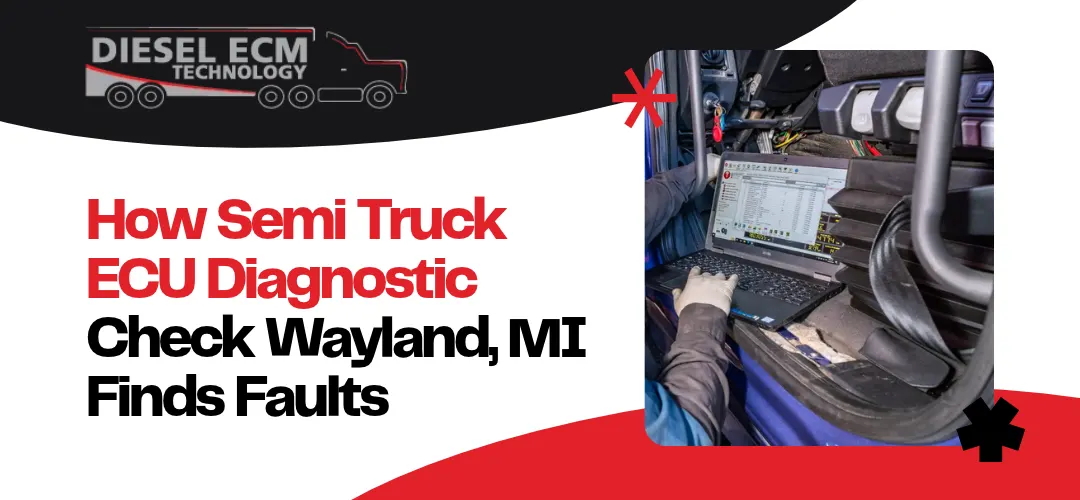
A semi truck ECU diagnostic check should consider the complete engine management system rather than treating every electronic fault code as proof of module failure. For example, a communication error may result from damaged wiring, an electrical supply interruption, a grounding issue, or an internal ECM fault. Checking these possibilities helps prevent unnecessary component replacements.
Truck owners should record the exact fault codes, operating conditions, warning lights, and performance changes before sending a module for evaluation. This information can help technicians narrow down potential causes and select appropriate testing procedures.
Determine Whether ECM Repair or Replacement Is Necessary
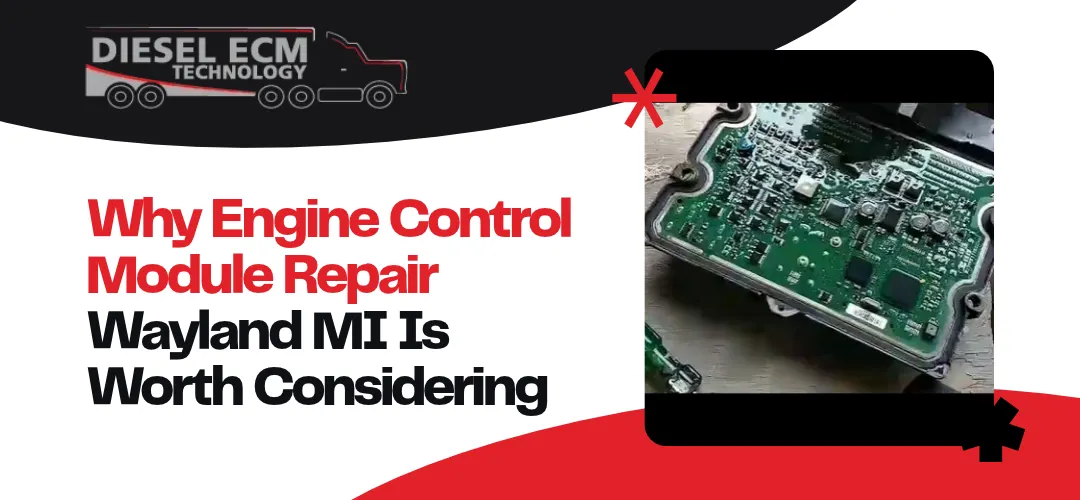
Not every malfunctioning ECM requires complete replacement. Some problems involve repairable internal components, damaged connections, or circuit-level defects. Other modules may have extensive damage that makes repair impractical.
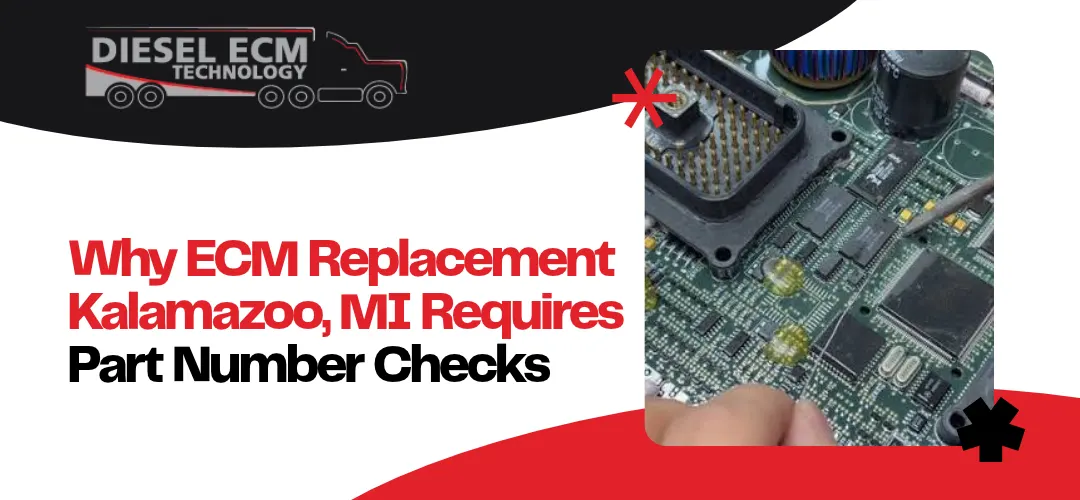
The decision should depend on the actual condition of the module, the availability of suitable components, and the results of diagnostic testing. Before choosing diesel engine module replacement Kalamazoo MI, consider whether the existing ECM has undergone a proper evaluation. A replacement module may also require compatible programming, configuration, and calibration procedures before it can operate correctly with the engine.
Selecting the correct approach can help avoid unnecessary expenses and compatibility problems.
Why Programming and Compatibility Matter
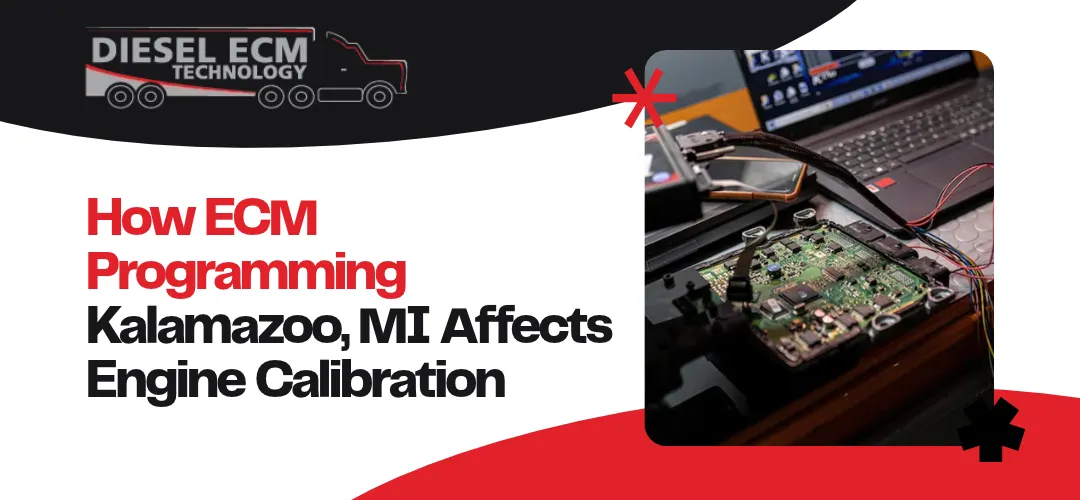
ECM programming determines how a control module communicates with engine systems and manages specific operating parameters. Installing a module with incompatible software or configuration can create communication problems, incorrect operating behavior, or additional diagnostic faults.
Different engine manufacturers and ECM families require their own programming procedures. For example, Paccar ECM programming involves different module requirements from Detroit Diesel Series 60 applications.
Technicians should verify module identification, engine compatibility, and applicable software requirements before programming or returning an ECM to service. Bench testing and programming serve different purposes, but both can contribute to a more reliable repair process when required.
Prepare Your ECM for Testing and Repair
Providing accurate information before sending an ECM can make the evaluation process more efficient. Truck owners should identify the module and explain the symptoms rather than sending the component without any diagnostic background.
Before shipping, consider providing:
- ECM manufacturer and part number.
- Engine model and available identification details.
- Recorded diagnostic trouble codes.
- A description of starting, shutdown, or performance problems.
- Information about previous repairs or electrical issues.
- Clear contact information for repair communication.
Also, follow the service provider’s shipping instructions. Protect connectors and the module housing from physical damage, moisture, and static electricity during transportation.
How Diesel ECM Technology Supports ECM Repair
Diesel ECM Technology serves customers from Wayland, MI, including businesses and truck owners around Kalamazoo, Holland, and South Haven. The company provides diesel ECM repair, programming, bench testing, and related electronic control module services.
Its work includes Detroit Diesel and Cummins applications, with support for mail-in module repair and remanufactured ECM options. Proper evaluation helps determine whether a module requires internal repair, further diagnostics, or replacement. Contact Diesel ECM Technology to discuss your ECM repair needs.
Frequently Asked Questions