
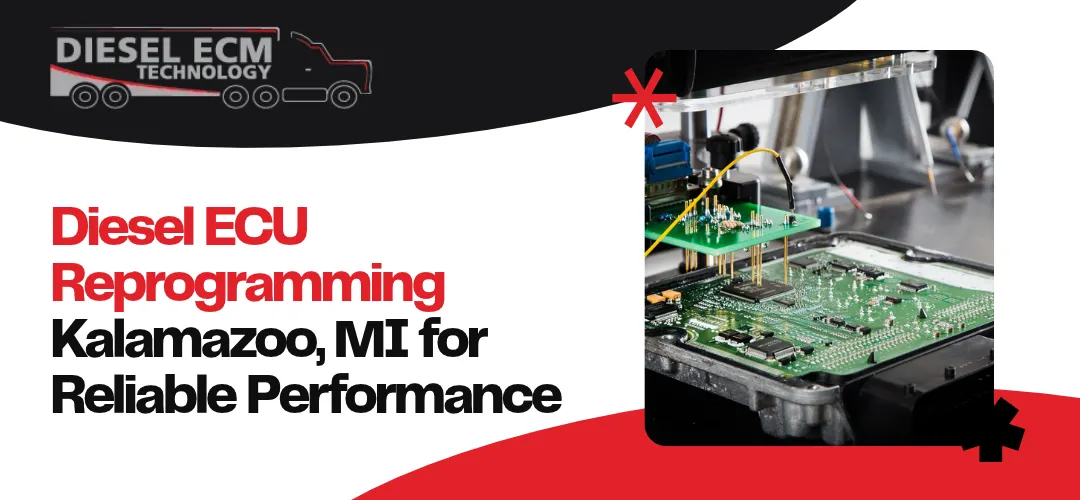
Diesel ECU Reprogramming Kalamazoo, MI for Reliable Performance Diesel engine problems such as power loss, poor fuel economy, and recurring...
Diesel engine problems such as power loss, poor fuel economy, and recurring warning lights can disrupt work schedules and increase operating costs. Diesel ECU reprogramming Kalamazoo, MI may address software-related issues when the existing calibration is outdated, incorrect, or unsuitable for the engine. Understanding common symptoms and the role of electronic control modules helps owners make informed maintenance decisions.
The Engine Control Unit (ECU), also called the Engine Control Module (ECM), manages essential engine functions using information from sensors. Depending on the engine design, these functions include fuel injection timing, fuel delivery, boost control, and engine protection.
Reprogramming updates the software or calibration stored within the control module. An appropriate update may correct a known software issue, restore factory settings, or support an approved repair. However, programming cannot automatically resolve every performance problem.
Low power, for example, may result from restricted fuel flow, leaking boost hoses, faulty sensors, or a worn turbocharger. Reprogramming without identifying the actual cause could waste money and leave the original fault unresolved. Proper diagnosis should always guide programming decisions.
Changes in engine behavior can indicate a problem requiring professional evaluation. However, mechanical and electrical faults can produce similar symptoms.
Watch for these warning signs:
Record when symptoms occur, whether the engine enters reduced-power mode, and which warning lights appear. This information helps technicians investigate possible causes more efficiently.
Heavy-duty trucks rely on communication between engine controllers, transmission systems, sensors, and other electronic components. Incorrect settings or incompatible software can affect drivability, operation, and component protection.
Semi truck ECU programming Kalamazoo, MI may be appropriate when a truck needs a compatible software update, configuration following module replacement, or supported parameter adjustments. The correct procedure depends on the engine manufacturer, model year, control module, and vehicle application.
Before approving the service, confirm that the technician will:
These precautions reduce the risk of programming errors and incompatible settings. A qualified technician should explain the proposed changes and why they suit the vehicle.
A fault code identifies a condition detected by the vehicle’s monitoring system. It does not necessarily identify the failed component. Replacing parts or changing software based on a code alone can create unnecessary expenses.
Professional commercial truck diagnostics Kalamazoo, MI can help investigate engine warnings, sensor readings, electrical faults, and communication problems before selecting a repair.
A reliable diagnostic process includes several steps:
For example, low boost pressure may result from a leaking hose, faulty sensor, or turbocharger problem. Updating the ECM alone will not repair damaged hardware. Accurate troubleshooting helps prevent repeat visits and unnecessary replacements.
Preparing for an ECM programming appointment helps technicians diagnose issues efficiently. For truck owners around Grand Rapids, MI, bring your engine details, ECM identification, maintenance records, and fault codes. Explain recent repairs, software updates, and performance concerns.
Before approving work, ask about the proposed programming, expected results, and verification process. Remember that outcomes depend on vehicle condition, and guaranteed power gains or fuel savings should not be assumed. Ensure programming preserves required emissions controls to maintain compliance with applicable regulations.
Diesel ECM Technology offers educational resources covering ECM programming, diesel engine systems, and fault-code interpretation. These materials help truck owners understand possible causes, prepare useful questions, and recognize the importance of accurate diagnosis before approving electronic control module work.
If your truck has recurring warnings or performance concerns, begin with its symptoms and diagnostic findings. Visit Diesel ECM Technology to explore its resources and plan your next step.
No. Reprogramming may correct software issues or restore an appropriate calibration, but not every update increases power. Results depend on the engine, existing software, and vehicle condition.
No. Fault codes may indicate sensor, wiring, power supply, or communication problems. Additional testing is necessary before determining whether the ECM has failed.
Professional assistance is advisable when suitable tools and technical knowledge are unavailable. Incorrect programming can interrupt communication or prevent the module from operating properly.
Timing depends on the vehicle, module, software availability, and diagnostic requirements. Additional repairs may extend the appointment, so request an estimate for your specific truck.
Generally, record and interpret relevant codes first. Stored information can help identify intermittent faults. Clearing codes without resolving the underlying problem may complicate troubleshooting.
Diesel ECU Reprogramming Kalamazoo, MI for Reliable Performance Diesel engine problems such as power loss, poor fuel economy, and recurring...
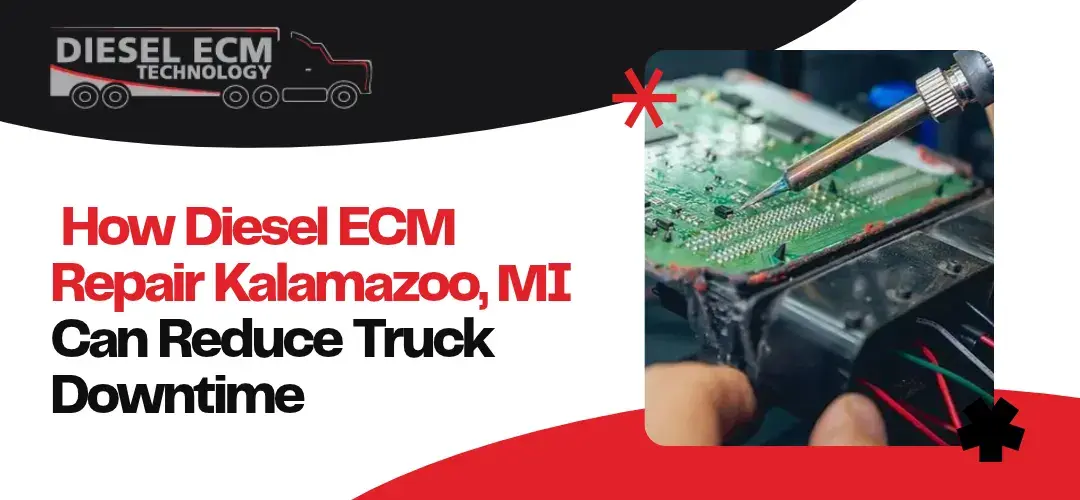
Reduce truck downtime with Diesel ECM Technology in Kalamazoo, MI. Get ECM repair and programming support for your truck. Contact...
At Diesel ECM Technology, we proudly serve drivers in Wayland, MI with trusted solutions for engine ecm Wayland, MI diagnostics,...
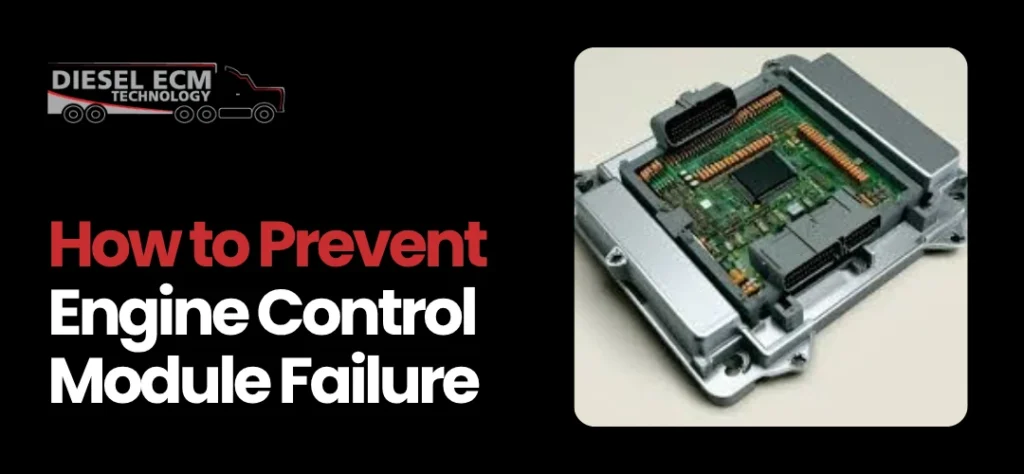
Prevent ECM failure with reliable ECM repair Wayland, MI. Get expert solutions to improve engine performance and reduce costly downtime.
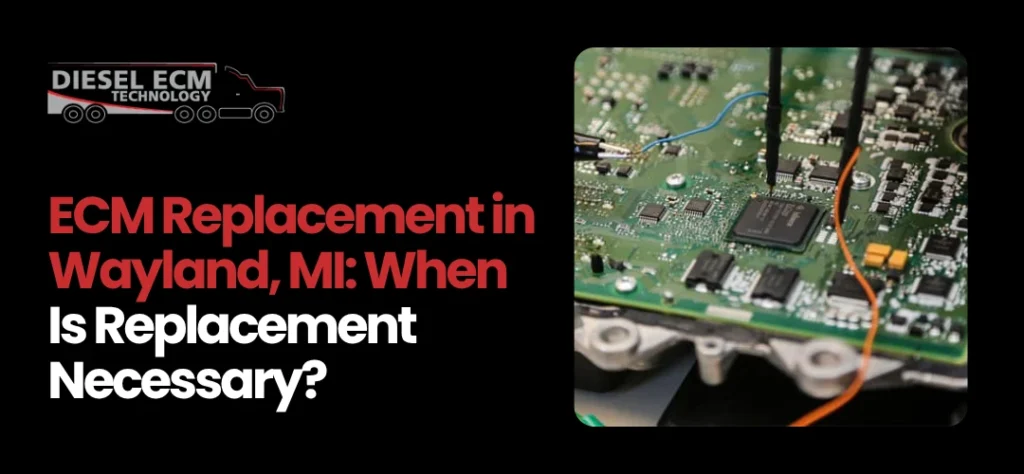
When a diesel engine begins experiencing repeated starting problems, performance issues, or electronic faults, ECM Replacement Wayland, MI may be...
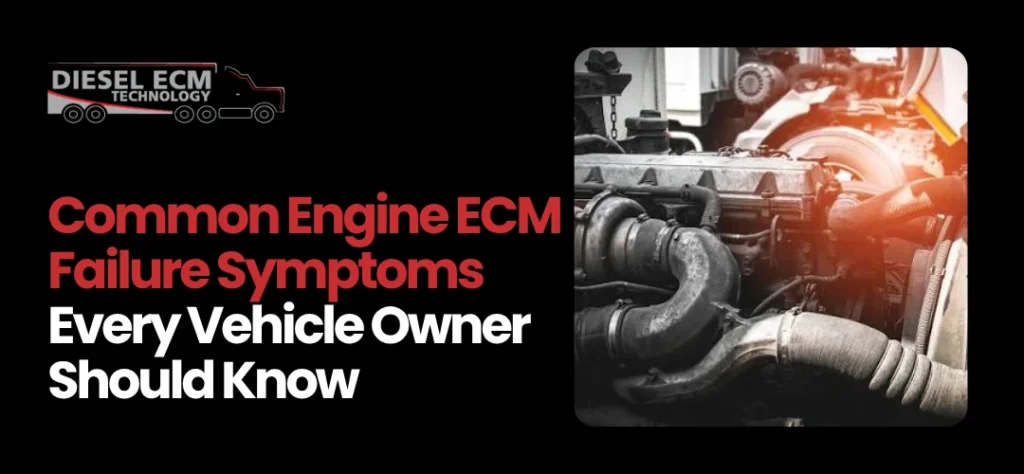
For drivers looking for Engine ECM Wayland, MI, knowing the common warning signs can help you act before a small...

Learn about **ECU repair cost in Wayland, MI**, key pricing factors, repair benefits, and when replacement may be the better...
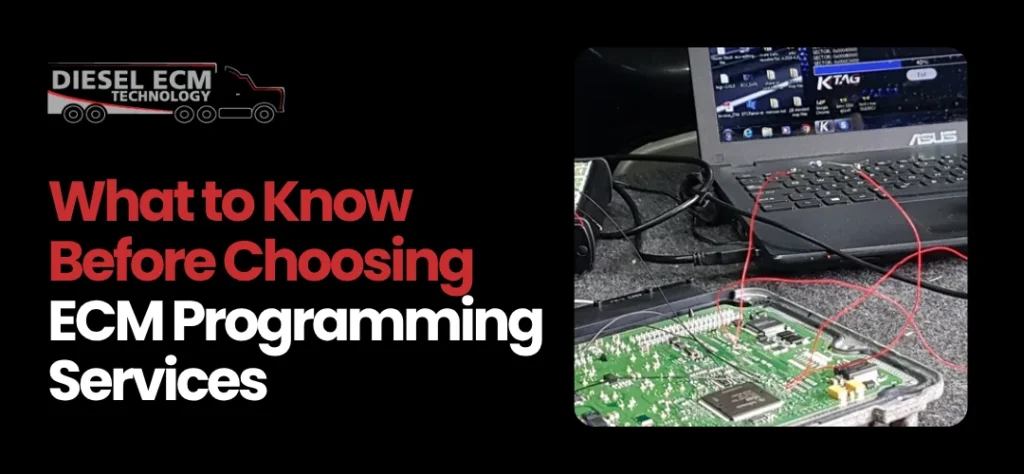
Professional ECM programming in Wayland, MI for reliable diesel performance, diagnostics, and electronic control solutions.

Learn the warning signs of ECM replacement Wayland MI and prevent costly diesel engine downtime with professional ECM services.